
Higher computing density
AI and high-performance computing create concentrated heat loads that require more precise thermal control.
APPLICATION
Reliable fluid paths, sensing and electronics for next-generation thermal infrastructure.
KEY CHALLENGES
HUAYUAN JINBO RELEVANCE
TECHNICAL CONTEXT
Huayuan Jinbo combines bellows, sensor development, packaging, calibration, testing and electronics capabilities. Future collaboration can extend these strengths toward self-aware, AI-assisted cooling networks.
WHY LIQUID COOLING MATTERS
Reliability begins in the fluid path and grows through sensing, validation and coordinated control.
AI and high-performance computing create concentrated heat loads that require more precise thermal control.
Stable fluid paths, sensing and fault visibility support continuous operation.
Liquid cooling can reduce dependence on energy-intensive air cooling when engineered for the real system.
SYSTEM VIEW
Cold plates or heat exchangers remove heat close to the source.
Pumps, manifolds, quick connections and flexible interfaces maintain circulation.
Pressure, temperature, flow, leak and vibration sensing improve visibility.
Analytics and control are a future joint-development direction.
JOINT-DEVELOPMENT ROADMAP
This roadmap describes a collaboration approach, not a claim of a finished commercial liquid-cooling platform.
Heat load, coolant, pressure, materials and service targets.
Select fluid interfaces, sensors, electronics and control boundaries.
Verify mechanical, electrical and communication interfaces.
Test thermal, pressure, leak, endurance and fault-response behavior.
Align quality, traceability, documentation and production support.
SYSTEM ARCHITECTURE
Cold plates, flexible connections, rack distribution, coolant distribution units and heat-rejection equipment form one coordinated thermal chain.

RELATED PRODUCTS
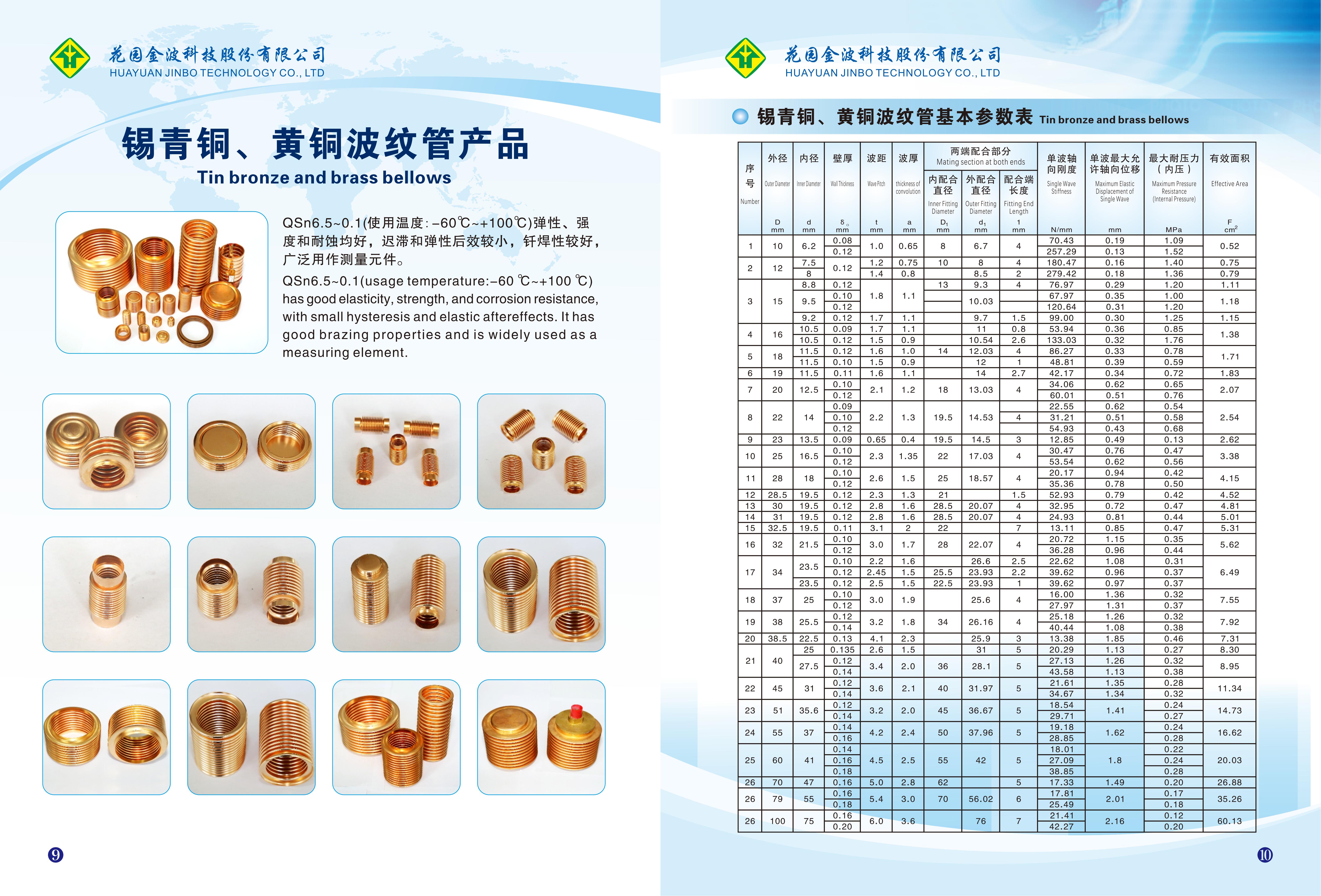 BELLOW-COPPER-BRASS
Official bilingual catalog sheet with product description, applications and technical specifications.
View details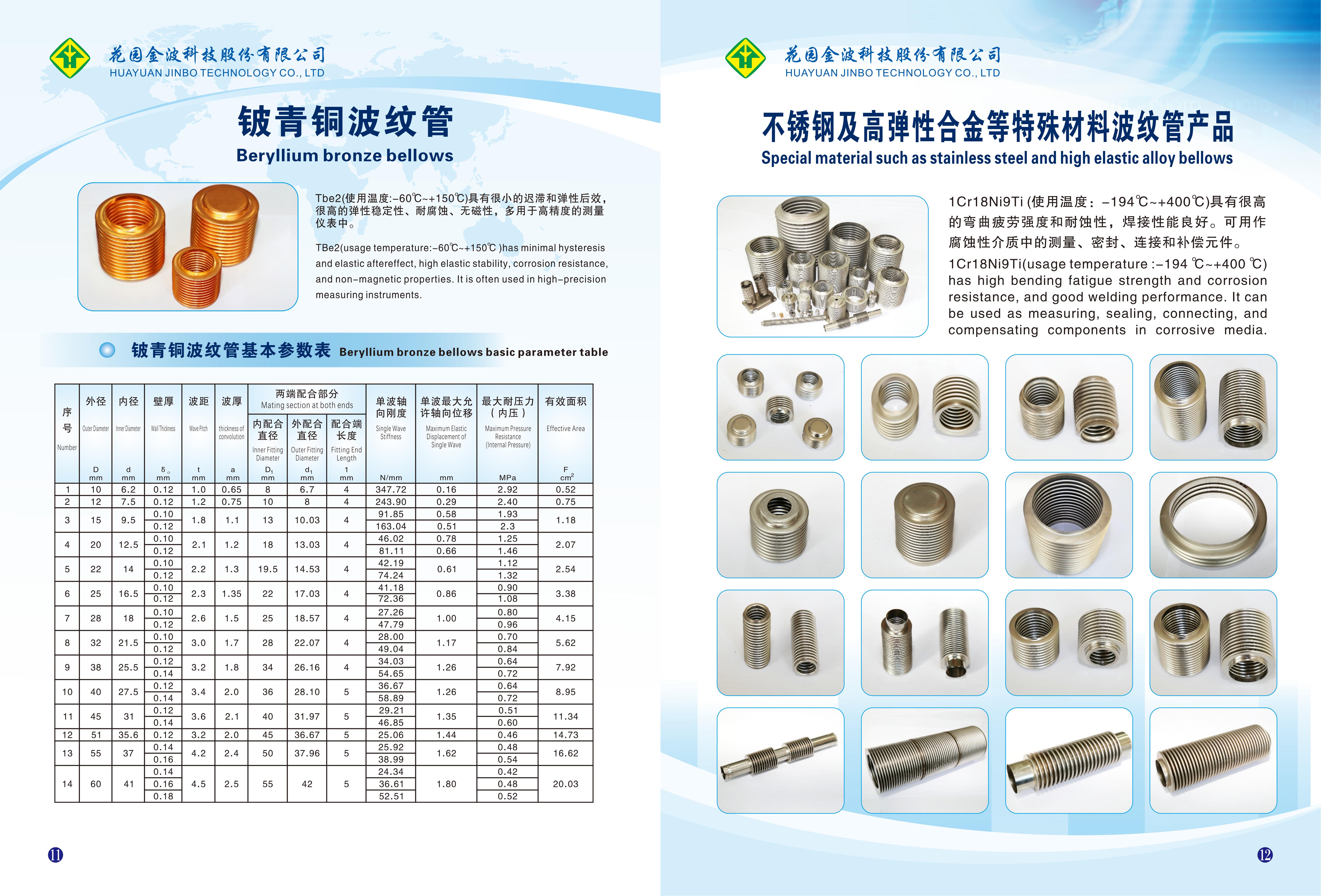 BELLOW-COPPER-PARAMETERS
Official bilingual catalog sheet with product description, applications and technical specifications.
View details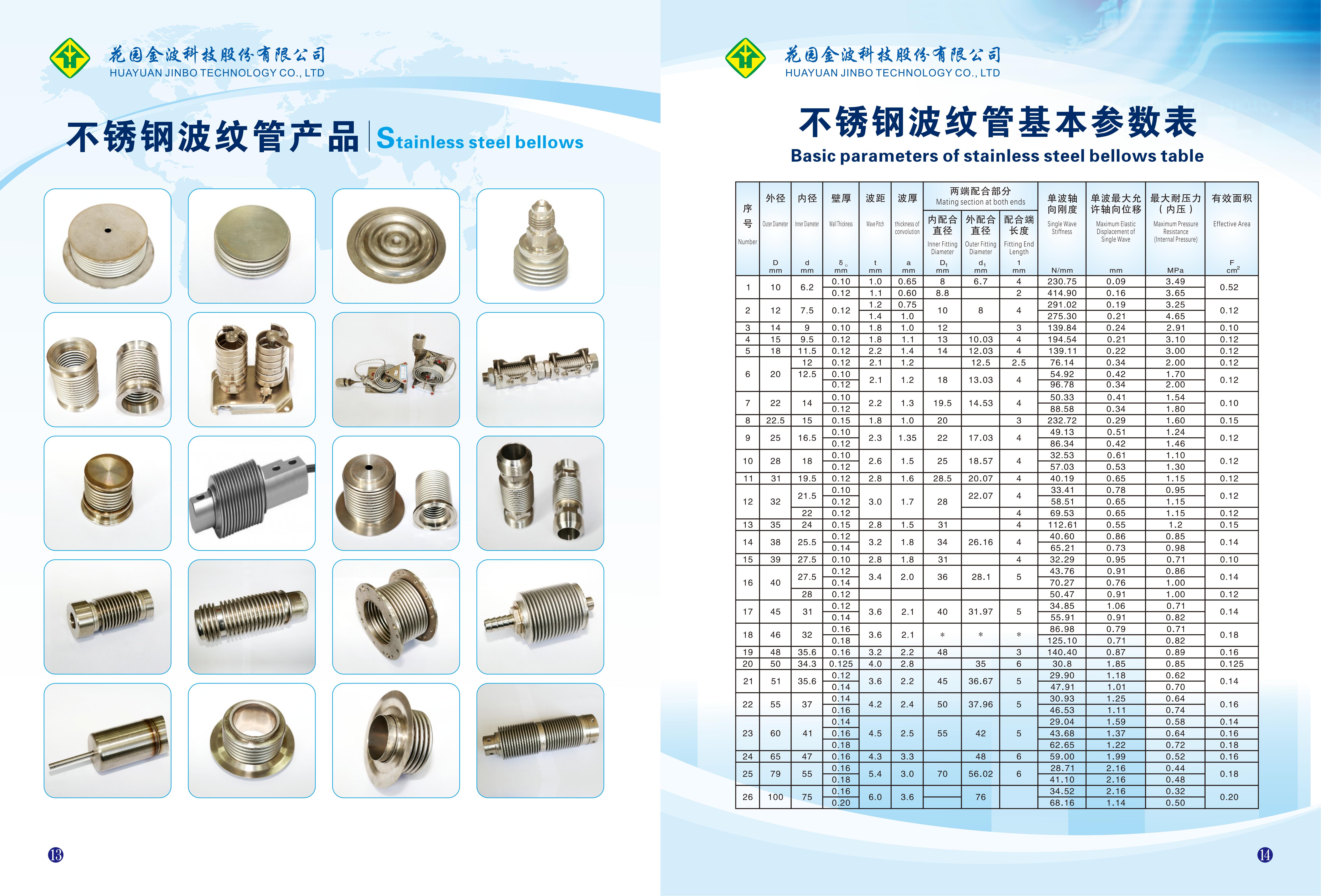 BELLOW-STAINLESS-SPECIAL
Official bilingual catalog sheet with product description, applications and technical specifications.
View details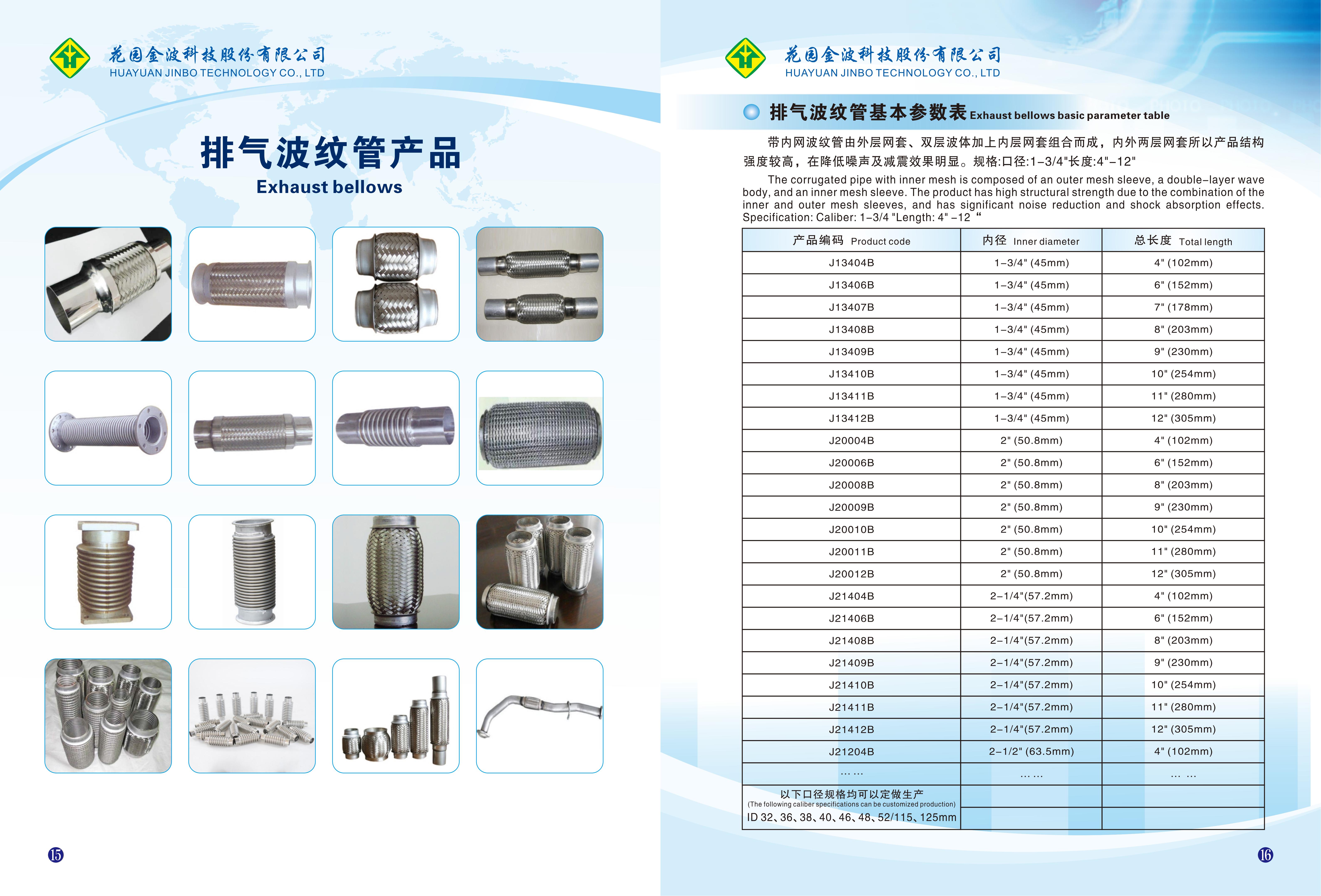 BELLOW-EXHAUST
Official bilingual catalog sheet with product description, applications and technical specifications.
View detailsShare your application and technical requirements with our team.