An overview of AI data center liquid-cooling trends at OCP 2026, covering cold-plate and immersion cooling, coolant monitoring, and coordinated power and thermal design for high-power racks.
OCP 2026 Global Summit: Emerging Trends in Liquid Cooling for AI Data Centers
Event Overview
From October 12th to 15th, OCP 2026 Global Summit was held in San Jose, California, USA, with the theme of "Scaling Innovation for the AI Era". This summit attracted 15,000 attendees and was the largest global summit in OCP's history. As an important industry event in the open computing field, the summit brought together various platforms to jointly discuss the development direction of the next-generation AI infrastructure.
This year’s summit covered a range of topics, including cold-plate liquid cooling, immersion cooling, coolant management and rack-level thermal management. These discussions indicate that as the demand for AI computing increases, the liquid cooling industry is evolving from a single cooling technology to more integrated, intelligent and standardized system-level solutions.
New Technologies and Industry Trends
- Continued Development of Cold-Plate and Immersion Cooling
Cold-plate liquid cooling remains an important technology for high-density AI servers. The industry continues to explore the performance limits of single-phase cold plates while advancing two-phase liquid-cooling technologies and related standardization efforts. For immersion cooling, fluid qualification, material compatibility and system reliability are also receiving attention.
Each technology has its own suitable applications. Liquid-cooling system design therefore needs to take into account cooling requirements, operating conditions and maintenance methods, rather than treating the available approaches as a simple either-or choice.
- Coolant Monitoring Is Moving Towards Multi-Parameter Analysis
OCP’s technical discussions emphasized that coolant health management should not rely on a single measurement. In addition to conventional parameters such as temperature, pressure and flow rate, parameters including electrical conductivity, pH, coolant concentration and turbidity may also provide valuable information for identifying changes in coolant condition. Coordinated analysis of multiple parameters is becoming an important direction in coolant monitoring.
- High-Power Racks Are Driving Coordinated Power and Thermal Design
The summit also covered ±400 V/800 V busbar power architectures, modular power-supply designs and standardized interfaces. Although power architecture upgrades and liquid cooling are distinct technical areas, they need to be designed in coordination in high-power AI racks. Unified specifications, reliability validation and multi-vendor compatibility can also improve system-design flexibility and supply-chain resilience.
How Will These Trends Affect the Liquid-Cooling Industry?
These trends indicate that the development of liquid-cooling systems is shifting from a focus on cooling capacity to overall operational reliability.
Coolant condition, material compatibility, connection reliability and long-term operational stability are all factors that need to be considered from the outset of system design.
Sensors and monitoring systems play a vital role in system maintenance, for example, through early detection of minor leaks and monitoring of coolant pressure and temperature. By strategically positioning sensors and analyzing multiple parameters together, the system can detect abnormalities earlier and support troubleshooting, maintenance and operational optimization. The specific monitoring solution should be determined according to the coolant type, system architecture and actual operating conditions.
At the same time, standardization and cross-vendor collaboration will become important foundations for industry development. Open technical specifications and qualification and validation procedures help different components work together within a system, while also creating new opportunities for collaboration among equipment manufacturers, component suppliers and technology partners.
Partner with Huayuan Jinbo to Explore Liquid-Cooling Innovation
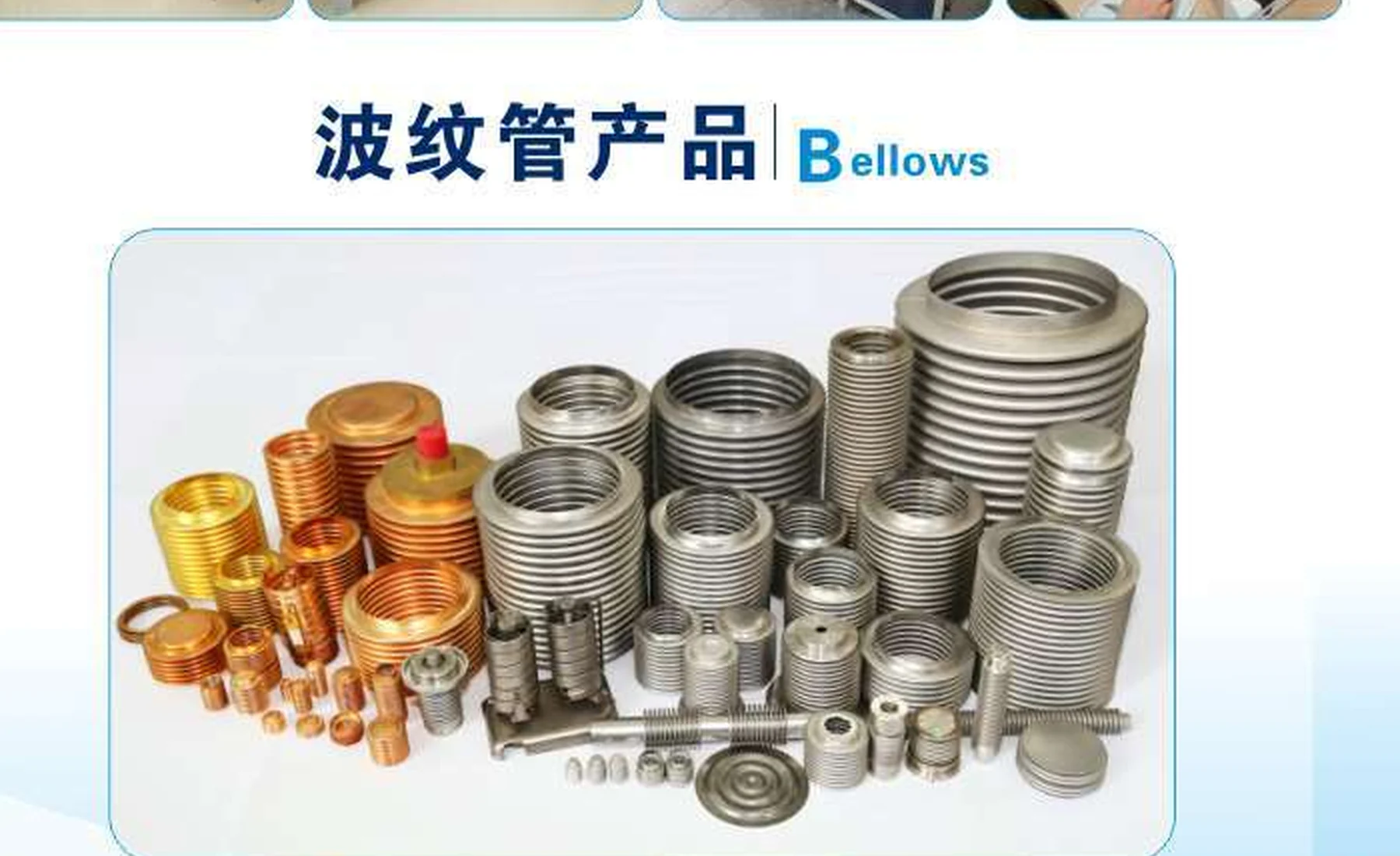
As AI data centers continue to develop, reliable sensing technologies, electronic controls and fluid-connection components will play an increasingly important role in liquid-cooling systems. Huayuan Jinbo specializes in sensors, printed circuit boards and printed circuit board assemblies (PCB/PCBA), metal bellows and related products. We are committed to exploring highly reliable liquid-cooling applications together with industry partners. We welcome data-center infrastructure providers, liquid-cooling system integrators, equipment manufacturers and technology partners to connect with us and discuss product integration, technology development and supply-chain collaboration opportunities.
If you are looking for sensing, electronic or fluid-connection solutions for liquid cooling, please contact us and welcome to join our Liquid Cooling & Intelligent Sensing Ecosystem Consortium (Join the Liquid Cooling and Intelligent Sensing Ecosystem Partnership Program | Huayuan Jinbo). Together, we can help advance the reliability and innovation of AI data-center infrastructure.